

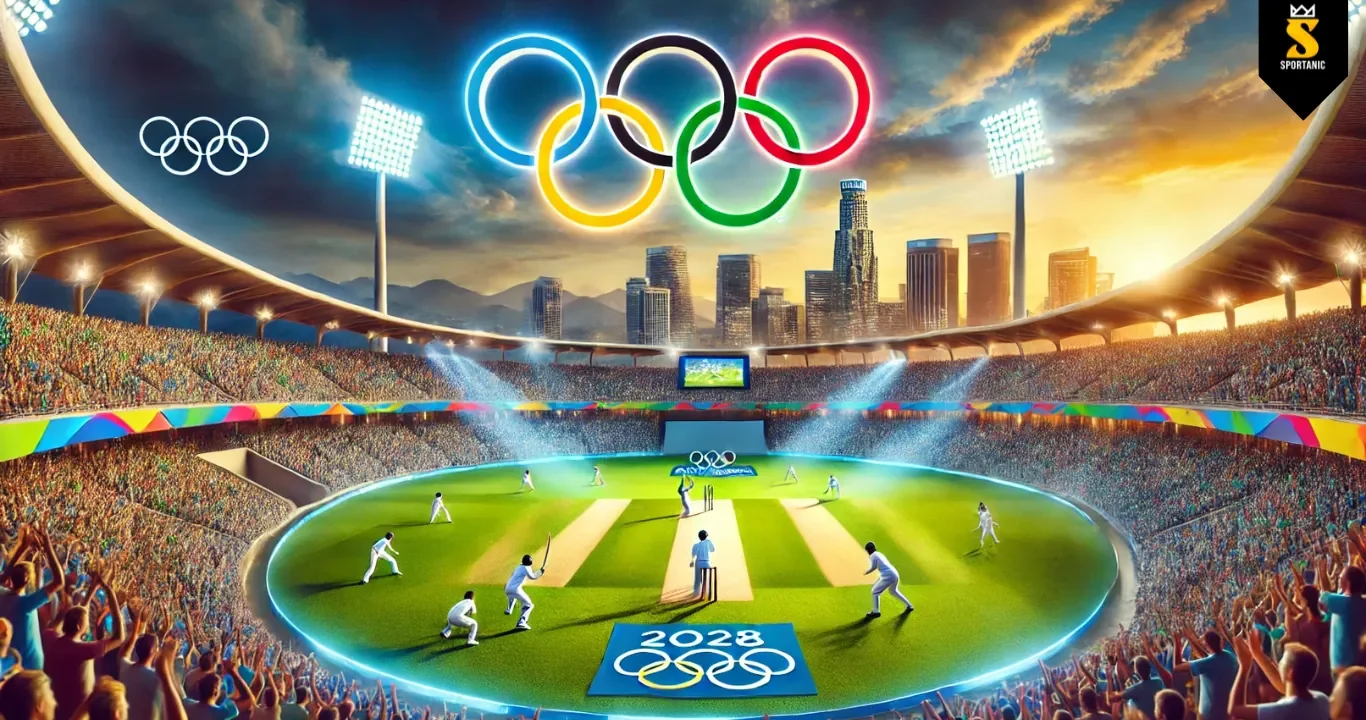
Cricket in the Olympics is set to make a momentous return at the 2028 Los Angeles Games, marking its first Olympic appearance since 1900. With over 2.5 billion fans globally, this inclusion will provide the sport with an unparalleled platform. For years, cricket’s absence was due to scheduling conflicts and logistical challenges, but the rise of T20 cricket has changed the landscape.
The inclusion of both men’s and women’s T20 tournaments will introduce cricket to new markets and expand its global reach. It is expected to drive commercial success, boost cricket’s presence in non-traditional regions, and attract new fans. The 2028 Games will be a historic milestone, shaping cricket’s future on the world stage.
A Brief History of Cricket in the Olympics
Cricket in the Olympics has had a short yet intriguing history:
- 1896 Athens Olympics – Planned as a medal sport but cancelled due to insufficient teams.
- 1900 Paris Olympics – Cricket made its only Olympic appearance, where Great Britain defeated France in a two-day match. Interestingly, players were unaware of its Olympic significance at the time.
- 1904 St. Louis Olympics – Cricket was scheduled but later cancelled due to a lack of participating teams.
For over a century, cricket in the Olympics remained absent, primarily due to opposition from major boards like the BCCI and ECB. However, the rise of T20 cricket reignited discussions, ultimately leading to cricket’s official inclusion in the 2028 Olympics.
Why T20 Cricket is the Perfect Fit for the Olympics
The T20 format has revolutionized cricket and is ideal for Olympic inclusion:
- Short Duration – Matches last around 3 and a half hours, aligning perfectly with the Olympic schedule and ensuring multiple games can be played in a single day.
- Global Appeal – Leagues like the IPL, PSL, and BBL have popularized T20 cricket worldwide, creating an ever-expanding fan base beyond traditional cricketing nations.
- Youth Engagement – The fast-paced nature of T20 cricket attracts younger audiences, fitting the IOC’s vision of innovation and inclusivity. Its action-packed gameplay and high-scoring nature make it perfect for drawing in new fans.
- TV & Digital Viewership – With shorter games and thrilling encounters, T20 cricket ensures higher TV ratings and digital engagement, making it commercially viable for the Olympics.
The Road to Cricket’s Olympic Inclusion
The journey to bring cricket back to the Olympics gained momentum in recent years:
- 2015 – The ECB withdrew its opposition to Olympic cricket, opening the door for discussions.
- 2017 – ICC Chief Executive Dave Richardson advocated for cricket’s return, emphasizing its potential for global growth.
- 2020 – The BCCI, initially hesitant, finally backed the ICC’s Olympic bid, marking a major shift in cricket’s Olympic ambitions.
- 2023 – The IOC officially approved cricket in the Olympics for the 2028 Games during its 141st session in Mumbai, cementing cricket’s place in the Olympic roster.
Challenges Ahead for Cricket in the Olympics
While cricket’s Olympic inclusion is historic, several challenges remain:
- Financial & Sustainability Concerns – Hosting cricket requires heavy investment in infrastructure and logistics, straining budgets. Revenue-sharing disputes between the ICC, IOC, and national boards could arise, while cricket’s long-term Olympic future depends on its success in 2028 and sustained global growth
- Infrastructure Gaps – The U.S., as the host nation, lacks traditional cricket stadiums, requiring major investments in venue upgrades and temporary facilities.
- Broadcast & Time Zones – Unfavorable time zones for Asian markets could impact viewership, while cricket may struggle to compete with traditional Olympic sports for media attention.
- Lack of Cricket Culture – With cricket’s limited popularity in the U.S., low ticket sales and minimal local engagement could hinder its long-term impact..
- Scheduling and Player Availability Challenges – The Olympics (July-August 2028) may clash with major T20 leagues, forcing top cricketers to choose between national duty and lucrative franchise commitments, potentially impacting team rosters.
The 2028 Los Angeles Olympics – A Golden Opportunity
Cricket in the Olympics at the 2028 Games offers several key benefits:
- USA’s Cricket Growth – The rise of Major League Cricket (MLC) and the U.S. co-hosting the 2024 T20 World Cup will enhance cricket’s footprint in North America.
- Massive Commercial Gains – Cricket’s inclusion could generate $1–2 billion in revenue, mainly from South Asian markets, making it a lucrative addition to the Olympic program.
- Gender Equality – The inclusion of both men’s and women’s tournaments aligns with the IOC’s commitment to promoting gender parity in sports.
- Cultural Expansion – The Olympic platform provides an opportunity to introduce cricket to non-traditional markets such as Europe and South America, fostering long-term growth.
Tournament Structure
The Olympic cricket tournament will follow a structured format:
- Teams – Six teams each for men’s and women’s T20 tournaments, ensuring a high level of competition.
- Qualification – Teams will qualify based on ICC T20I rankings, ensuring a mix of top cricketing nations and emerging teams.
- Venues – Matches may be hosted in major U.S. cities like New York, Los Angeles, and Dallas, maximizing global viewership and accessibility.
- Format – The tournament is expected to follow a round-robin and knockout format, ensuring every team gets a fair chance to compete.
What This Means for Global Cricket
Cricket in the Olympics is expected to drive long-term benefits:
The inclusion of cricket in the Olympics presents a game-changing opportunity for the sport’s global expansion. It will introduce cricket to newer audiences in regions like the United States, Germany, and Japan, accelerating its reach beyond traditional strongholds. Additionally, Olympic recognition is expected to boost investment, encouraging governments and private stakeholders to fund cricket infrastructure and grassroots programs, further strengthening its foundation.
Another major advantage is the promotion of women’s cricket, as equal representation on the Olympic stage will provide a massive platform to inspire young female cricketers worldwide. Lastly, if cricket’s 2028 Olympic debut proves successful, it could pave the way for permanent inclusion in future editions, securing its status in the global sporting landscape and ensuring long-term growth and recognition.
A New Era for Cricket in the Olympics
Cricket in the Olympics at the 2028 Los Angeles Games marks a historic milestone for the sport. Its return after 128 years provides an unprecedented global platform, drawing in new fans and inspiring the next generation. While challenges exist, the potential for growth and innovation is immense.
As the countdown to Los Angeles 2028 begins, cricket enthusiasts worldwide eagerly await a new era—one where cricket in the Olympics cements its place among the world’s greatest sporting events.