

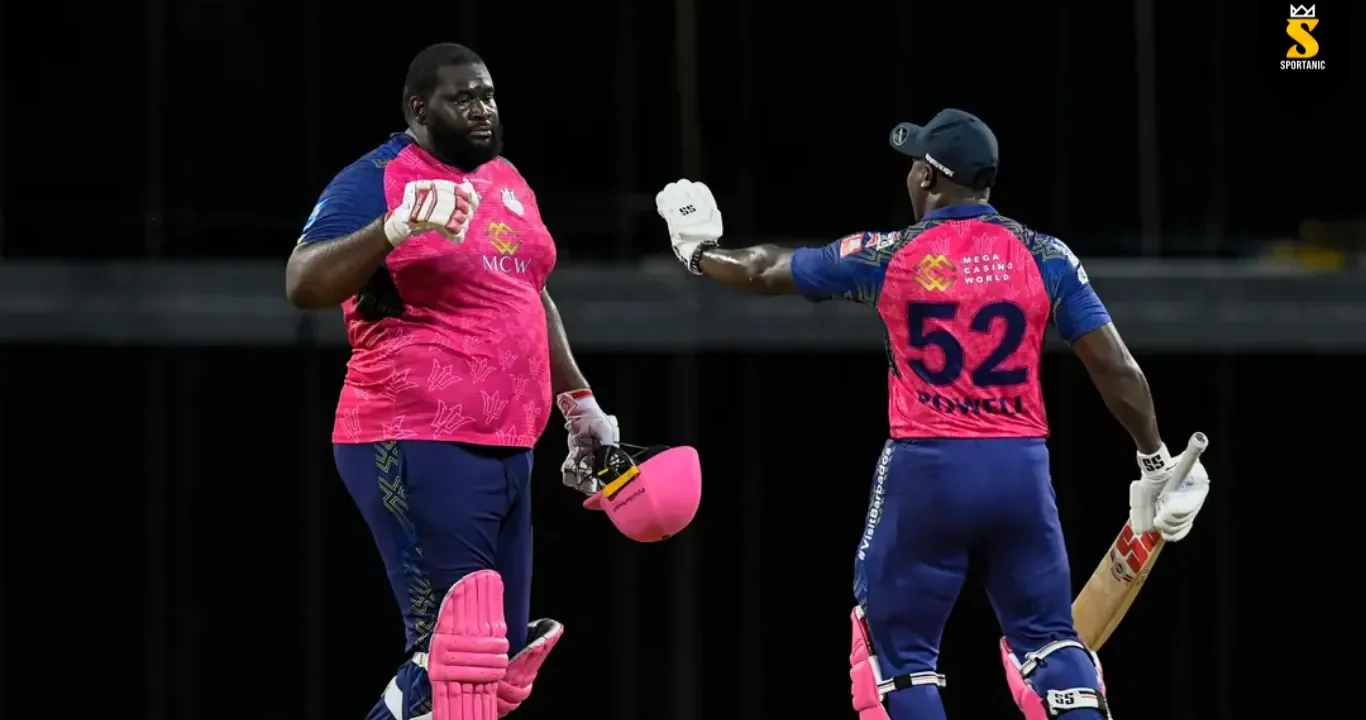
T20 leagues have transformed the cricket world. Their quick, intense competitions have changed the cricket world with fresh possibilities and difficulties. Leagues like the Indian Premier League (IPL), Pakistan Super League (PSL), Big Bash League (BBL) have grown in prominence.
Still, they have posed one query that questions everything: How do they influence traditional formats, player workload, and the future of this sport?
The Rise of T20 Leagues
Since the IPL launched in 2008, T20 leagues have rapidly emerged in cricket. The IPL’s success paved the way for other leagues, such as the PSL, BBL and Caribbean Premier League (CPL) which have all contributed to the worldwide expansion of cricket
T20 leagues provide high-paying contracts for players, which makes them a sustainable option compared to international cricket. As a result, many cricketers are prioritizing leagues over national service, forcing cricket boards worldwide to rethink their schedules.
The Advantages of T20 Leagues
The world of cricket has benefited from T20 leagues in many ways. The most outstanding is the financial stability they give to athletes. Players can secure a stable future without depending only on a national team paycheck, as leagues offer good contracts. The leagues also provide training grounds for young athletes since they offer international exposure and opportunities to showcase their abilities.
Furthermore, T20 leagues like Major League Cricket (USA), ILT20 (UAE), SA20 (SA), T20 Blast (ENG), etc. play an influential role in expanding the global reach of cricket. By introducing the sport to new markets, these leagues not only increase the sport’s visibility but also attract a diverse range of fans and players from around the world. Their success helped to represent cricket as a global sport, promoting it in countries where the game was once rather unknown.
Also Read: Breaking the Boundaries: The Evolution of Women’s T20s in the Modern Era
Obstructions Presented by T20 Leagues
Though there are many advantages, T20 leagues have brought many difficulties to world cricket. One significant problem is the diminishing of bilateral series since league games sometimes cause international tours to be rescheduled. This restricts the chances of more conventional forms of entertainment, such as Tests and One Day Internationals.
Player burnout and fatigue have also become significant problems. The rigid schedules of local competitions, as well as international cricket, are leading to exhaustion and injuries among players, which in turn impacts their performance.
Another developing issue is the conflict between league commitments and national duties since players occasionally choose profitable league agreements over representing their countries, thereby affecting the general performance of national teams. At times, the pursuit of making money has drawn focus away from the very nature of cricket. Once driven by passion and competition, a sport has become more of a business; at times, commercial concerns take priority over the game’s spirit.
Balancing Everything
The International Cricket Council (ICC), as well as the national cricket board, has to balance T20 leagues and international obligations to guarantee the integrity of global cricket. One possible approach would be to plan overseas tours more carefully so as not to coincide with big leagues. Implementing central contracts for the players to pay them competitive wages, like the league, would make them more dedicated to national duties.
To beat burnout over the long run, T20 leagues have turned cricket into a globally popular and more commercially feasible game. Still, the danger they pose to conventional game styles cannot be overlooked. The future of the game depends on finding a long-term equilibrium where T20 leagues and national cricket can coexist.